
The final federally convicted associate of a Texas antifa cell received a six-year prison term on Monday, bringing the cell’s total sentence to a combined 562 years behind bars for their roles in carrying out a July 2025 terrorist attack on an Immigration and Customs Enforcement facility.
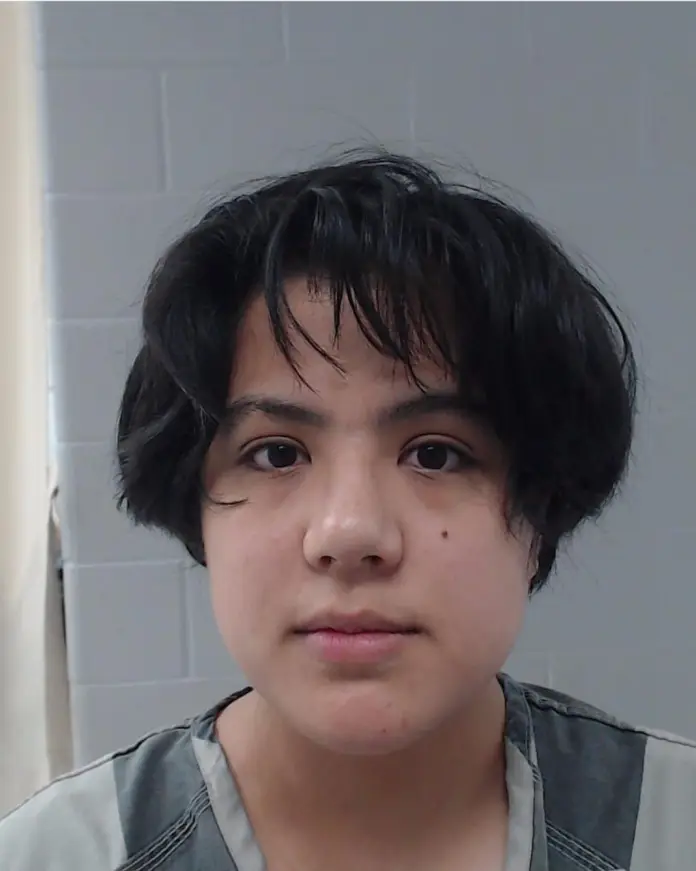
Susan Elaine Kent, the last remaining defendant in the first-ever case to convict admitted antifa members on terrorism-related charges, was ordered on Monday to spend 72 months in federal prison for the sole count of providing material support to terrorists. Kent’s 15 other incarcerated cell operatives received as little as 22 months to as much as 100 years each.
Kent pled guilty ahead of trial, agreeing to serve as the government’s witness in exchange for a reduced sentence. Had she been convicted at trial, Kent could have spent decades in prison as opposed to the 15-year statutory maximum that the material support conviction carries. Kent’s capped sentence was expected to be significantly reduced this week for extensive cooperation with the prosecution.
As part of the plea bargain, Kent testified against her coconspirators, telling jurors that she joined a support network that mobilized in the aftermath of the attack to help hide the cell’s at-large leader, Benjamin Hanil Song.
Kent confessed to coordinating Song’s lodging arrangements and transportation between safe houses after learning that he had shot an Alvarado Police Department officer on the scene of the ambush. Song, codename “Delete,” was the subject of a weeklong, multistate manhunt involving the FBI and ended up with the cell’s lengthiest prison sentence of one century, or life in prison, for the attempted murder of a police officer.
Kent testified she believed Song would have kept firing if his gun had not jammed. The group’s initial plan, according to Kent, was to free all of the illegal immigrants jailed inside the ICE detention center in Alvarado by shooting their way out in an armed uprising. Kent recalled Song saying, “It’s as easy as it gets,” while conducting a reconnaissance mission and flagging security vulnerabilities around the facility.
On the witness stand, Kent also identified a slate of codefendants as members of the Dallas-area antifa cell. Though she acknowledged her own affiliation, Kent stopped short of personally identifying as antifa, insisting that she only assisted the cell in a supportive capacity after the fact.
An antifa blog post said Kent “actively” played a part in raising legal defense funds for the suspects. To date, the fundraising campaign has collected more than $188,000 from mostly anonymous donors. Following the convictions, the money will now go toward financing the cell’s appeal efforts.
In sworn statements, Kent said she met some of the cell members through the local Socialist Rifle Association chapter, a left-wing gun club, and that “many members of the SRA, including co-defendants, consider themselves ‘antifascist.’” Kent’s partner, Seth Edison Sikes, similarly told the court that antifa organizes in “cells or ‘affinity groups’ around their beliefs.”
The case marked the first time that antifa activists ever admitted in open court to existing as an organized group, even going so far as to unmask each other to avoid lengthy stretches in prison.
CONVICTED CO-CONSPIRATORS SPILL INSIDER INTEL ON ANTIFA AT TEXAS TERRORISM TRIAL
In addition to Kent, four other defendants flipped on their comrades, admitting that the anti-ICE attack was launched “in line with [an] Antifa ideology” and that “Antifa is a militant enterprise that advocates insurrection and violence to affect the policy and conduct of the U.S. government by intimidation and coercion,” an objective that fits the legal definition of domestic terrorism.
The Justice Department celebrated the convictions as a fulfillment of President Donald Trump’s directive to dismantle criminal enterprises that operate in the name of antifa, which he designated a domestic terrorist organization.
Twenty-two defendants, including those sentenced in the federal proceedings, still face separate state charges in connection with the terrorism plot. A grand jury in Johnson County has indicted the 16 cell members, plus six additional suspects accused of helping Song evade capture, on charges of terrorism, aiding in the commission of terrorism, aggravated assault of a public servant, smuggling of a person, and engaging in organized criminal activity — the Texas version of RICO.