
Chad Harbach’s first novel, The Art of Fielding (2011), was one of the most widely praised debuts of its decade, so you can’t blame the author for following up with a book featuring the same setting and many of the same characters. But while his new novel, The Brightness, returns to Westish College in Wisconsin several years after the events of its predecessor, its themes and characters are very different.
The Art of Fielding was primarily about relationships among men, especially male athletes. None of them is a rapist or even accused of sexual assault. There is nary a word about toxic masculinity. Is it possible that novel, which included an interracial same-sex relationship between the college president and a student, could somehow be viewed as insufficiently progressive?
As if to redress the patriarchal priorities of its precursor, The Brightness is a novel about women, female friendship, and feminism — artists and intellectuals fighting to make the future female. Readers are reunited with Pella Affenlight, the daughter of Westish College’s late president, who is now 28 but only a recent graduate of the small liberal arts school. Once ambitious and impulsive, she has settled into a quiet routine with her fiancé, Mike Schwartz, the former catcher for the Westish baseball team who now works for the athletic department. If you’re looking for the main character of The Art of Fielding, you’re in the wrong book: With a few lines of dialogue, the hopeful ending that novel gave Henry Skrimshander is crushed like a ninth-inning rally.
Instead, the promising undergraduate of this novel is Irma Friske, a scholarship student home-schooled by her Catholic parents in rural Wisconsin. At Westish, Irma wears a cross necklace, keeps her hair long, and absconds with the family cat — rare remnants of her upbringing. She and Pella, introduced by a beloved English professor, grow close despite their differences in ages and backgrounds.
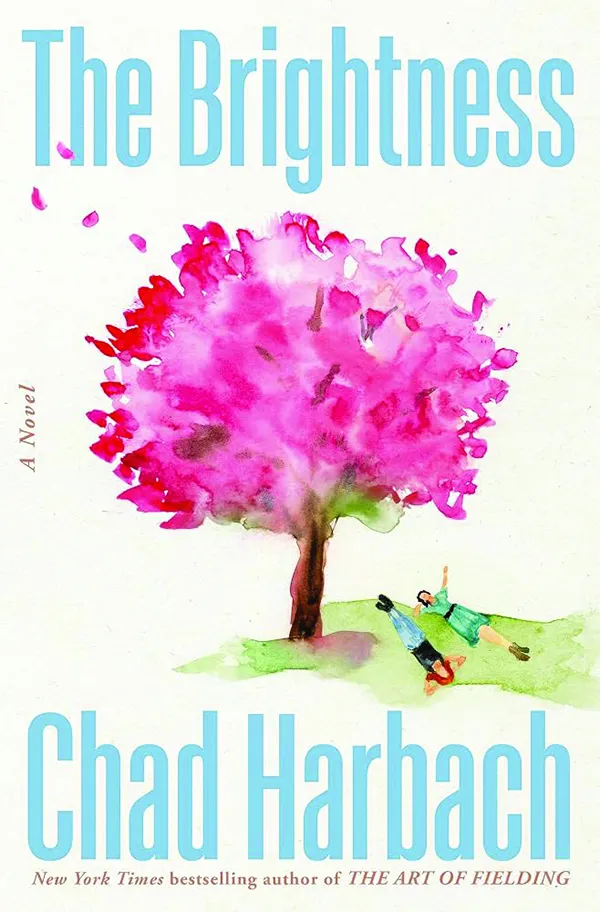
But Irma has recently formed a new tight triad of friends, led by an enchanting but aloof classmate named Dahlia, whom Irma idolizes and possibly loves. Dubbing themselves the Witches of Westish, the girls hatch a plot to draw attention to the prevalence of sexual assault on campus by seducing and drugging jocks, then tattooing a provocative phrase across their foreheads. It doesn’t matter that these specific jocks are decent dudes. Dahlia is the spirit behind the operation, but Irma’s brains give it intellectual ballast. The prank draws national attention, both positive (a feminist website called The Brightness) and negative (a Fox News program hosted by a Tucker Carlson-like figure, albeit a year before Tucker Carlson Tonight aired).
Just as the atmosphere on campus is starting to heat up, Pella heads east for the glamorous wedding of her father’s former boyfriend, Owen Dunne, who has written a bestselling novel based on his time at Westish called (wink, wink) The Art of Fielding. (The meta-joke doesn’t make sense: In Harbach’s novel of that title, a baseball book called The Art of Fielding plays a major role. A publisher would not reuse the title for a novel.) There, she encounters an old rival from school and an Adonis-like socialite named Nicholas Byrnes, son of a once-prominent feminist and the object of nearly every woman’s fantasies. Irma attends, too, reveling in the attention she receives from the New York City chattering class for her role in the Westish kerfuffle. The weekend ends on a sour note for Pella, though, as she finds Mike in bed with another woman, so she decamps to New York City to figure out her next move and, as it happens, begin a torrid affair with Nicholas. Back at Westish, Irma must navigate the publicity brought on by the Witches’ project and cope with her alienation from both Pella and Dahlia.
It is brave of Harbach to write primarily from female perspectives, the kind of imaginative act that can get a novelist in trouble for cultural appropriation or similar nonsense — though sometimes his efforts fare about as well as passages from I Am Charlotte Simmons that got Tom Wolfe mocked. The central characters are complex, and their relationships fraught with jealousy and insecurity. Pella and Irma are not especially kind to each other, and their attractions to the charms of Dahlia and Nicholas demonstrate great weakness. But whereas Dahlia, for all her flaws, is at least plausibly captivating, Nicholas is so good-looking and great in bed that nobody notices how dull he is. His mother, whom Pella admires and befriends, is the more interesting (though not necessarily likable) character, a representation of second-wave feminism’s promises and failures.
One of the book’s biggest shortcomings is Harbach’s sense of narrative proportion. He divides the novel into five parts (perhaps in homage to Shakespeare, whose The Tempest and Macbeth feature prominently). The first, which reads the most like a campus novel and focuses on the Witches’ plot and the ensuing outrage, is easily the most engaging. The second part, set at Owen’s wedding, features plenty of drinking, smoking, and sex, but is tedious and slow-moving with moments of brutally bad dialogue. Worst of all, the novel’s final two parts read like a 100-page denouement. Important relationships draw to a close and a major character dies, but these events occur in flashbacks or off-stage, dulling their emotional impact.
Set in 2015-2016, The Brightness features many nods to relevant news events from those times. During Owen’s wedding, the minister alludes to both Barack Obama and the Obergefell v. Hodges decision that discovered a constitutional right to same-sex marriage. There are also references to Donald Trump, Hillary Clinton, and Bernie Sanders. It is surprising, and a relief, that Harbach doesn’t reflect on the impending Trump victory and what it portends for feminism. Then again, all of these feminists support Sanders instead of the woman vying to become the first female president.
REVIEW: AN OILMAN MEETS HIS MAKER
The novel also has a surprisingly blinkered perspective of campus sexual assault during this era. It gives the impression that campus investigations disfavored accusers, but the opposite is true, in large part because the Obama administration pressured schools to lower the threshold necessary to establish guilt. The events at Westish also exist in a universe apart from the retracted 2014 Rolling Stone article, “A Rape on Campus,” supposedly about a gang rape at a frat party, but which was revealed to be a fabrication. I don’t expect The Brightness to be historical fiction, but a 600-plus-page novel about campus sexual assault in the 2010s has room for some version of these details.
The novel concludes with Irma and Pella trying to sort out where to take their lives, and with whom. In a setting reminiscent of Zora Neale Hurston’s Their Eyes Were Watching God, a vision emerges of a coven of reunited friends and male-less motherhood, but it may prove as fleeting as the hope glimpsed at the end of The Art of Fielding. Harbach leaves plenty of room open for another lengthy sequel. He’s better off moving on from Westish.
Christopher J. Scalia is a senior fellow at the American Enterprise Institute and the author of 13 Novels Conservatives Will Love (but Probably Haven’t Read).