
The woke era that began in 2014 ended in 2024. Wokeness, of course, is not dead — it still hangs over many school districts and colleges and will make a comeback with Democratic victories over the next three years — but it no longer is the default mindset.
One supremely harmful dogma of wokeism that went mostly unnoticed involved the primacy of “boundaries,” the virtue of “cutting toxic people out of your life,” and the act of going “no-contact” with people who were forcing you to do “emotional labor,” or something.
You can see the hints of Maoism and Stalinism in this severe intolerance and this willingness to treat inconvenient people as non-people. Woke feminism and gender ideology, meanwhile, hold individual autonomy as the highest good, and so they reject the unchosen. Thus, parents, siblings, and uncles, to whom you never consented, should probably be discarded.
This message sank in. Nearly 40% of adults now say they are estranged from a close family member, according to a recent poll. Where a parent and child have gone no-contact, the child was the one who cut off contact twice as often as the parent.
The vibe has shifted, though, in the post-woke era.
After a decade of erecting higher boundaries, protecting their own peace, and refusing to do uncompensated emotional labor, progressives are starting to realize that maybe it is not good for people to be alone. Maybe self-care is not the key to happiness. We need to care for other people and, in turn, be cared for by others.
The 2014 to 2024 flood of articles such as “How Strong Is Your Cut Off Game: 5 Steps To Removing Toxic People” has abated.
For instance, the left-leaning explainer site Vox spent the woke era promoting boundaries but now warns that “‘protecting your peace’ can kill your friendships.” Frictionless relationships might be meaningless, the young progressives are learning.
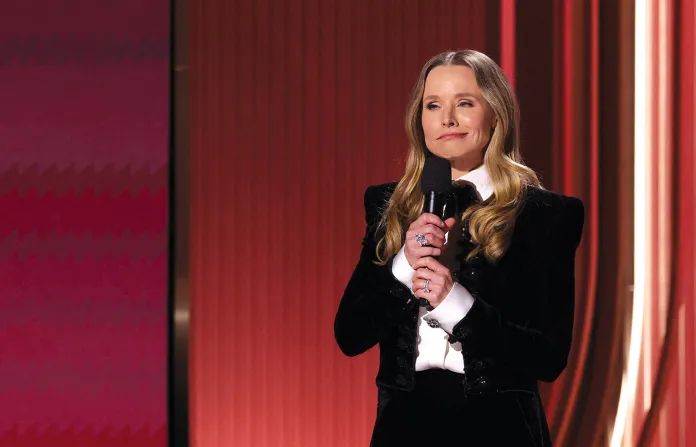
Kristen Bell, one of the most successful actresses of the past 25 years, is a liberal Democrat whose parents were divorced and who says her mother’s religiosity strained their relationship. She speaks the language of boundary-building autonomy-worship, but now she’s warning about the excesses.
In a recent Ted-Talk-combined-with-podcast, Bell waxed on about protecting her energy and warning the audience against being people pleasers, but then she shifted gears and made a pitch for actually dealing with other people.
“Annoyance is the price we pay for community,” she said, shocking the audience. “We’re not supposed to be the same. We’re supposed to be different. You’re supposed to be annoyed with Uncle Randy at dinner, because he has some archaic point of view.” He probably goes to church or something.
“Uncle Randy sucks,” she continued for laughs to her liberal audience. “But you have him over for dinner once in a while. … That’s like the four times Uncle Randy gets some community. So make the chicken and listen to him.”
Then Bell and the podcast host mocked the once sacrosanct ideas of “cutting people out, “going no contact,” and declaring “this is not a healthy relationship for me.”
MAKE THIS THE SUMMER OF FAMILY PRICING
“Come on,” Bell pleaded. “Then you need to expand your capacity.”
From woke to “love your neighbor.” That’s progress.