
Attorney General Todd Blanche is calling in lawyers from across the Justice Department to defend President Donald Trump’s immigration enforcement policies after a surge in lawsuits from detainees overwhelmed U.S. attorneys’ offices.
More than 97,000 immigration detainees have filed habeas corpus petitions since Trump returned to office in January 2025, including about 10,000 new petitions since October, according to a Nov. 24 memo obtained by the Washington Examiner. Federal courts typically saw only a few hundred such petitions a year before Trump’s second term.
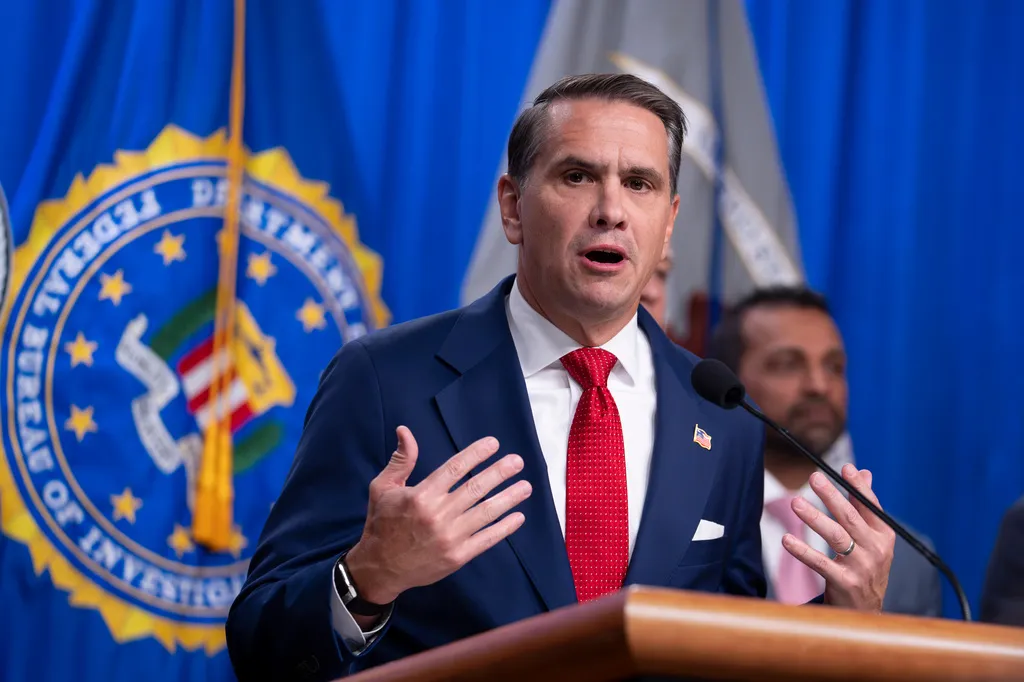
“Many of the Department’s U.S. Attorneys’ Offices have been overwhelmed by the influx of petitions and impracticable procedures set by the courts,” Blanche wrote in the three-page memo.
Blanche called many of the petitions “frivolous” and accused immigration lawyers of using the litigation to frustrate Trump’s crackdown on illegal immigration.
“The increase in habeas petitions resulted, in part, from the immigration bar’s attempt to thwart President Trump’s promise to the American people to prioritize their safety and security,” Blanche wrote.
The directive reaches beyond the offices that typically handle immigration litigation. Blanche called for help from the Antitrust, Civil, Civil Rights, and Environment and Natural Resources divisions, as well as the U.S. Trustee Program. Lawyers in the offices of the attorney general, deputy attorney general, and associate attorney general will also take cases.
The civil components tapped to assist have roughly 2,000 litigators among them. The memo did not specify how many attorneys would take on detention cases or how many petitions they would be assigned. U.S. attorneys’ offices have shouldered most of the caseload so far.
Habeas corpus petitions allow detainees to ask a federal judge to review whether the government is holding them lawfully. The cases can take weeks or months to resolve. In one case this month, a federal judge in Nebraska gave the administration until Nov. 30 to justify a detainee’s custody and barred the government from removing the petitioner from the country or transferring the person out of the district while the case proceeds. Habeas corpus petitions also have the effect of moving immigration cases out of immigration court, where they are supposed to be handled, and into federal court, where judges are appointed by presidents and typically don’t have experience or expertise in immigration law.
The staffing crunch had already forced one U.S. attorney’s office to pull back. In an Oct. 26 letter later entered into the court record, acting U.S. Attorney Charles Neil Floyd told the chief federal judge in Western Washington that his office lacked the staff to defend every ICE detention challenge and would stop appearing in many cases. He suggested judges email release orders directly to the detention center when no government lawyer was assigned. The office reversed course in November after reaching an agreement with judges on new procedures.
Still, the habeas petitions have continued to climb as Immigration and Customs Enforcement has held record numbers of people in custody and the administration has narrowed avenues for release, including on bond. The Washington Examiner has previously reported on how court challenges have slowed Trump’s deportation agenda and how state-run detention sites have helped ICE expand capacity.
KILMAR ABREGO GARCIA TO LEAVE THE US IMMEDIATELY FOR SPAIN
White House chief of staff Stephen Miller, an architect of Trump’s deportation policy, floated suspending habeas corpus for immigration detainees last year, though the administration has yet to act on the proposal.
Read the full memorandum below: