
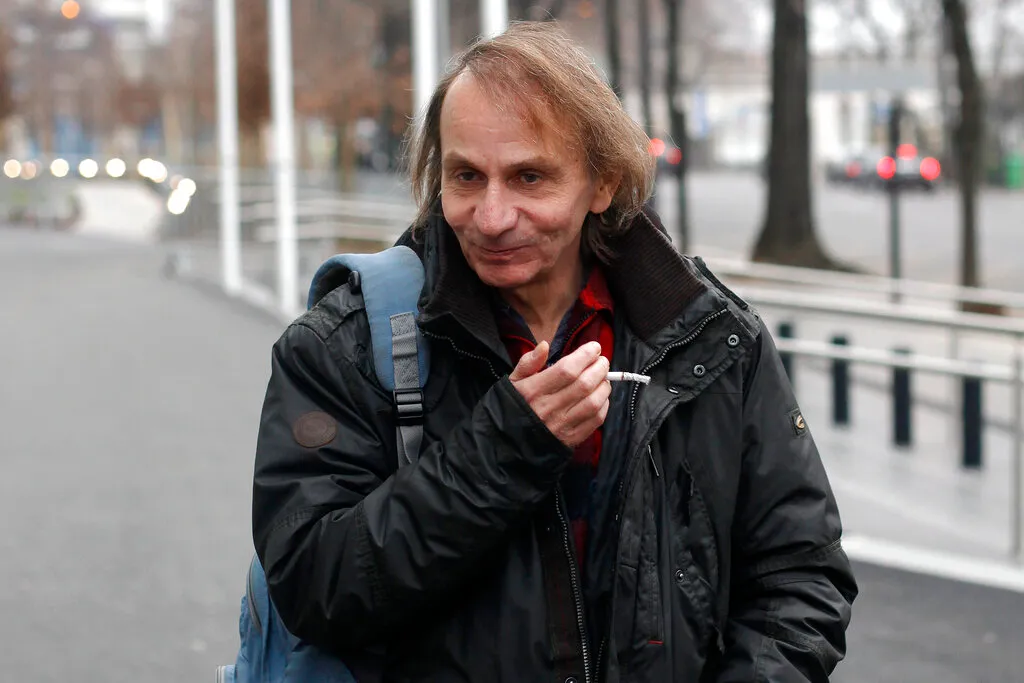
Acclaimed novelist Michel Houellebecq is being charged with hate speech in a Paris court over years-old comments regarding Muslim immigration.
The award-winning writer made the remarks while speaking with Front Populaire, a right-leaning magazine, in 2022. The interview included reflections on themes from his 2015 speculative fiction novel Submission, which imagines a future France governed by a Muslim majority parliament after a rise to power aided by left-wing parties.
“When entire territories are under Islamist control, I think there will be acts of resistance — attacks and shootings in mosques, in cafes frequented by Muslims, a reverse Bataclan,” Houellebecq warned in the 2022 interview. “And Muslims will not be satisfied with placing candles and bouquets of flowers.”
The comment was a reference to the Bataclan theatre in Paris, where radical Islamic terrorists opened fire and took hostages during a performance by an American rock band in 2015. Ninety people were killed, and more than 100 were injured.
Houellebecq is charged with “complicity in incitement to discrimination, hatred or violence against a group of people on account of their origin or their belonging or not belonging to a particular ethnicity, nation, race or religion.” No trial has yet been scheduled.
HUGO GURDON: ‘ISLAMOPHOBIA’ LIE GAINS POST-MIDTERM MOMENTUM
The civil parties who brought the complaint are named as Friendship Between Peoples (MRAP) and the Union of Mosques of France. The Grand Mosque of Paris previously brought a legal complaint against Houellebecq in 2022, but it was dropped just weeks later after meeting with the writer, who agreed to alter particular passages.
In the 2022 interview, Houellebecq questioned those who characterize the “Great Replacement” — the assertion that native European populations are being systematically replaced with foreign migrants — as a conspiracy theory.
“The Great Replacement — I was shocked it’s called a ‘theory’. It’s not a theory, it’s a fact,” said Houellebecq. “When it comes to immigration, nobody controls anything; that’s the whole problem. Europe will be swept away by this cataclysm.”
He went on to explain that the native French population is not interested in Muslim integration and instead wants them “to stop stealing and attacking, for violence to decrease, for them to respect the law and the people.”
“Or, another good solution,” he added, “for them to leave.”
Houellebecq’s legal team maintains that at no point did the author endorse or condone acts of violence, saying he was only prognosticating a coming societal disaster that he wished would not occur.
“A prophet of tragedies does not ask for them to be fulfilled, quite the contrary,” his lawyers said.
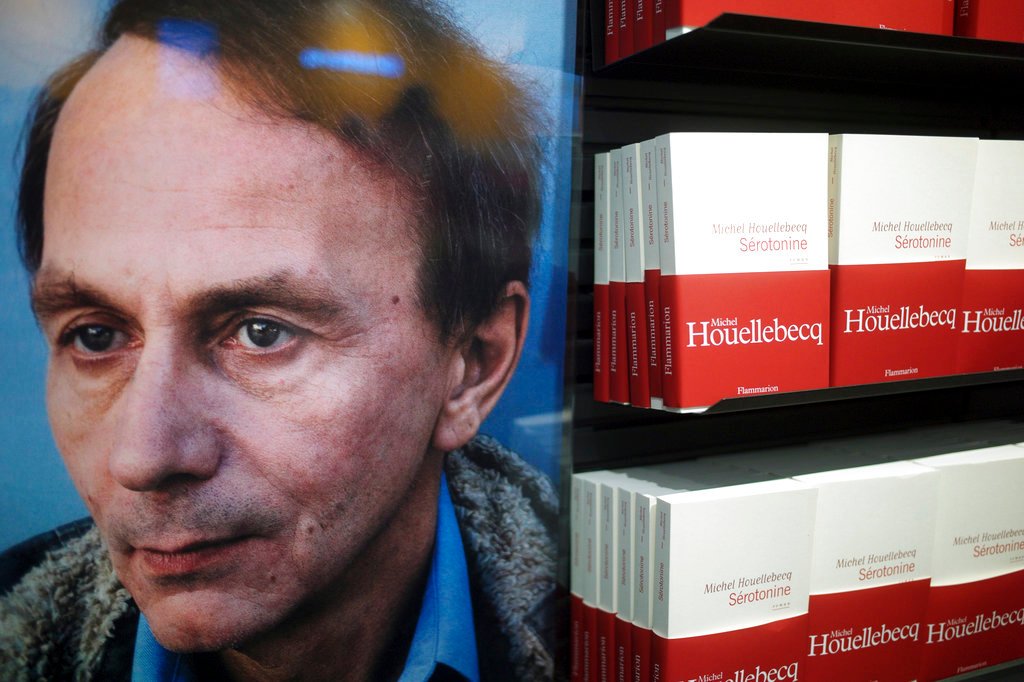
If convicted, the writer could be sentenced to up to a year in prison and a $50,000 fine.
Houllebecq was previously charged under hate speech laws in 2002, when he called Islam the “most stupid religion,” but was acquitted.
The plot and themes of Submission have taken on a new relevance in the wake of widespread riots in Paris, videos of which show youths of migrant backgrounds looting storefronts and celebrating the chaos with Jihadist rap. In the novel, mass immigration has driven French society to a fracturing point, with nationalists throwing their weight behind National Rally leader Marine Le Pen — who is widely projected to win next year’s presidential election.
Houellebecq reflected on critics’ characterization of him as a “fascist” in an interview published just days before the Paris court issued charges.
OPINION: CAN A FRENCH MILEI BEAT OUT THE FAR RIGHT AND FAR LEFT IN PRESIDENTIAL ELECTIONS?
“It’s quite exhausting being called a fascist writer, but eventually you resign yourself to it,” he told El Pais last week. “Fascism … had very specific and recognizable ingredients and characteristics: the cult of personality, a taste for war, intolerance toward the political enemy.”
He continued, “Now, it’s used for pretty much everything, to insult anyone. And the same thing has happened with the concept of the ‘far right.’ It’s inevitable.”