
Cuba’s power grid collapsed again on Friday, leaving millions of people across the island without electricity as the Trump administration continues to intensify economic pressure on Havana.
The Ministry of Energy and Mines announced the nationwide blackout on X, saying that “protocols for recovery are already beginning to be activated.”
The outage came as Washington stepped up sanctions and other measures against the Cuban government in an effort to pressure Havana toward political and economic changes. The Trump administration has also restricted fuel supplies to the island with an embargo.
According to Cuban authorities, the latest collapse began with a failure in high-voltage transmission lines in western Cuba. The failure spread through the electrical system as far as Matanzas province, prompting the eastern portion of the island to disconnect from the grid.
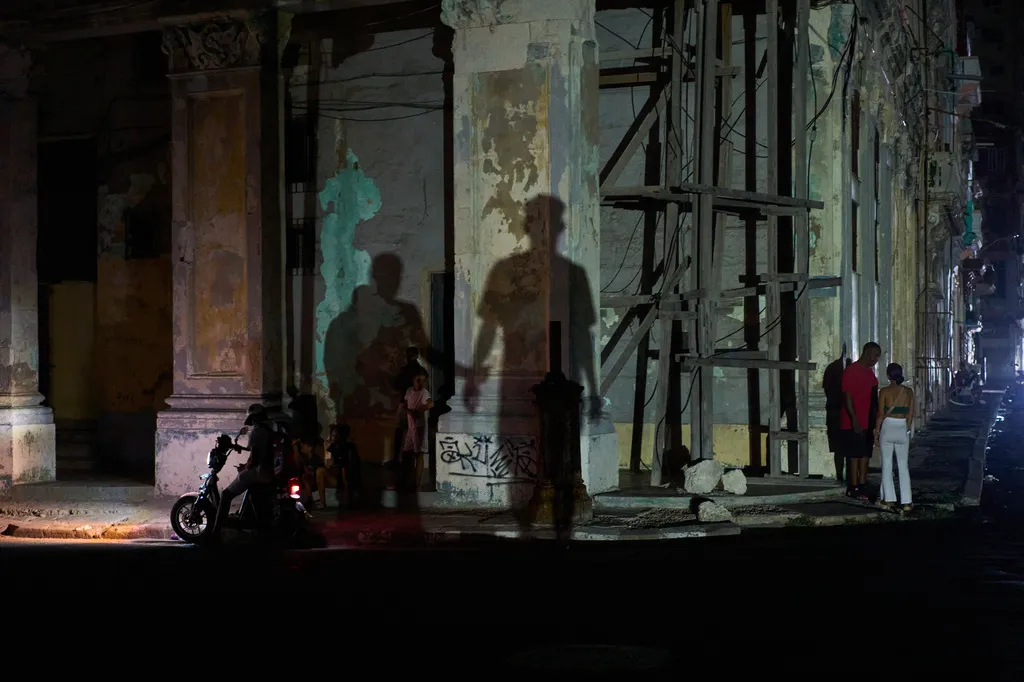
The blackout was at least the sixth nationwide grid collapse this year, with major outages also occurring over the summer, dating back to March. Cuba has experienced frequent and prolonged blackouts as its aging power infrastructure deteriorates and the country struggles with severe fuel shortages.
The United States has restricted fuel shipments to Cuba as part of a broader pressure campaign against the government of President Miguel Diaz-Canel. The administration has argued that the measures are intended to pressure the Cuban government, while Cuban officials have blamed U.S. sanctions and fuel restrictions for worsening shortages and the island’s economic crisis.
On Thursday, Secretary of State Marco Rubio announced sanctions against 11 Cuban entities and officials. The measures targeted four state-run enterprises involved with Cuba’s nickel reserves; four military enterprises involved in areas including weapons-system research and development, naval capabilities, and battlefield simulation; and three military officials who lead those organizations.
The Trump administration’s pressure on Cuba has escalated significantly since January, when U.S. forces captured Venezuelan dictator Nicolas Maduro, a longtime ally of Havana. Venezuela had previously supplied much of Cuba’s oil, and the loss of those shipments has further strained the island’s energy system.
EUROPE PREPARES FOR WIDER WAR AS RUSSIA RAMPS UP ‘HYBRID THREATS’ BEYOND UKRAINE
Trump has also suggested that Cuba could face further U.S. action. In March, while touting U.S. military operations in Venezuela and Iran, Trump said, “Cuba is next,” although he did not specify what action he intended to take.
The administration has not announced plans for a military operation against Cuba, and officials have also pursued diplomatic contacts with Havana.