
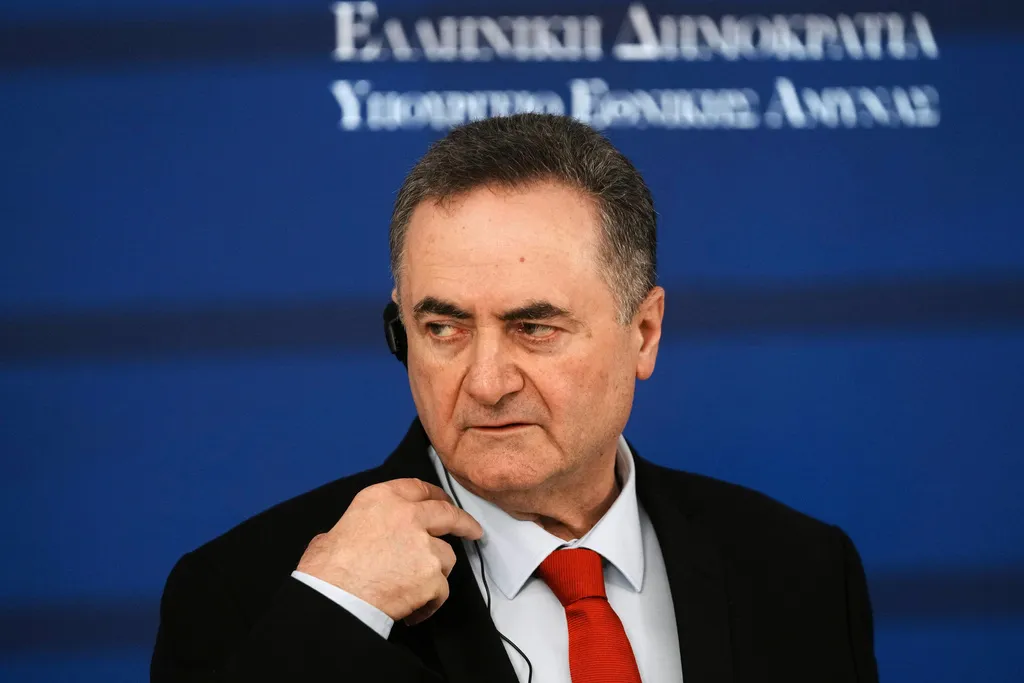
Israeli Defense Minister Israel Katz said the Israel Defense Forces will not withdraw from southern Lebanon, even if the United States demands it.
Katz’s comment is the first time any top Israeli official has publicly said they would go against the U.S. regarding Lebanon, after two weeks of avoidance. Stressing the danger posed to soldiers, Katz invoked the possibility of U.S. pressure at the Muni Expo conference for local officials in Tel Aviv for the first time. As long as Hezbollah remains armed, he said, Israel will not withdraw from southern Lebanon, “even if there is an American demand.”
“The IDF must be on the enemy’s side of the border and protect the communities from within the territory itself,” he said, adding that this was a central part of its combat doctrine.
“Two hundred thousand residents will not return. There are no civilians and no terrorists,” Katz added. “In the past, when there was civilian presence in security zones, there were explosives and attacks against soldiers — that is why we do not allow it. Soldiers inside, civilians outside.”
Israel fought a nearly two-decade-long insurgency against Hezbollah and its precursors in southern Lebanon from 1982 to 2000, an insurgency characterized by ambushes and roadside bombs.
Katz extended his logic to Israeli security zones in Gaza and Syria, adding that the IDF wouldn’t withdraw from those places either.
“All three security zones operate under the same model and reflect the current reality,” he said, adding at another point, “The main goal of Hamas in Gaza is for us to withdraw.”
Lebanon has increasingly become one of the biggest areas of divergence between the U.S. and Israel, particularly after Iran insisted it be added to the U.S.-Iran memorandum of understanding. One of the clauses of the MOU said the ceasefire must extend to Lebanon, and the language suggested Israel would withdraw from the country. Tehran has repeatedly said Israel’s withdrawal from Lebanon would be a necessity of any lasting peace deal, and threatened to withdraw from the MOU altogether if this didn’t take place.
The divergence between the U.S. and Israel on Lebanon was already evident when the ceasefire took effect in April, after the war repeatedly threatened to collapse the ceasefire. The U.S. pressured Israeli officials to meet with Lebanese government officials to negotiate a ceasefire, albeit one where Hezbollah wasn’t a party. Fighting has continued after Hezbollah said it wouldn’t recognize the ceasefire, though Jerusalem has mostly refrained from major strikes against Beirut and areas outside of southern Lebanon.
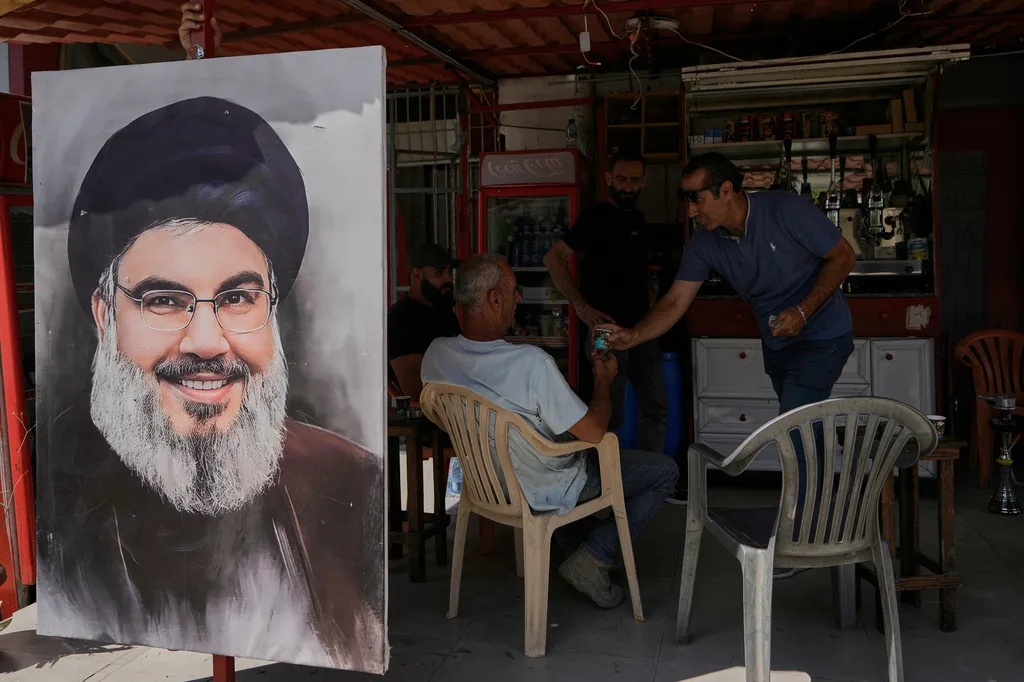
Wary of angering its most important ally, Israel has mostly begrudgingly gone along with U.S. wishes, relenting to pressure to hold off on further major attacks in Lebanon. Not all in Israel’s leadership are in agreement, however — Israeli National Security Minister Itamar Ben-Gvir publicly called on Israeli Prime Minister Benjamin Netanyahu to ignore President Donald Trump on Lebanon.
“Mr. Prime Minister, you said that a strong prime minister tells the President of the United States—’yes’ when possible, and ‘no’—when necessary. This is the time to tell our friend, President Trump—’no,’” he said in a post on X.
ISRAELI SECURITY MINISTER TELLS NETANYAHU ‘TIME TO SAY NO’ TO TRUMP ON LEBANON
“Now is the time to do what is required and necessary to strike Hezbollah, to unleash the hands of our fighters, and to restore security to the north,” he added.
While Israel is politically fractured in many respects, the whole political spectrum is largely united around a desire to crush Iran and Hezbollah. Hezbollah is particularly seen as an existential threat to Israel, and the current moment is seen as the best chance so far to eliminate the group.