
A convicted Somali fraudster who stole millions in taxpayer dollars through the Feeding Our Future scheme was sentenced to only one year in federal prison by a Minnesota judge who has said she has a duty to combat “implicit racial bias” in the criminal justice system, including by acknowledging what she says is a disproportionate representation of black people in the state’s prison population.
Judge Nancy Brasel, who was nominated by President Donald Trump to the bench in 2018 as part of a package deal struck between the first Trump administration and Minnesota’s Senate Democrats, sentenced Abdul Abubakar Ali to one year and one day behind bars for his role in the multimillion-dollar scam.
One year in federal prison for a $3 million scam
Ali, a foreign national from Somalia, pleaded guilty in 2022 to defrauding a federally funded child nutrition program in what was known as the largest pandemic-era fraud scheme in U.S. history.
According to charging documents, Ali admitted to fraudulently raking in more than $3 million in federal assistance funds that were supposed to help feed underprivileged children during the COVID-19 crisis.
Shortly after immigrating to the United States, Ali set up a nonprofit organization called Youth Inventors Lab as a shell company and enrolled the entity in the Federal Child Nutrition Program under the sponsorship of Feeding Our Future, prosecutors said.
Feeding Our Future, another Minnesota nonprofit group, served as a sponsor organization to dozens of food distribution sites that it recruited to receive meal reimbursements under the auspices of the Federal Child Nutrition Program. Food distributors that received meal reimbursements had to be sponsored by an authorized agency, which retained a cut of the funds as an administrative fee. In exchange for sponsoring these entities, most of them fraudulent, Feeding Our Future accrued more than $18 million in administrative fees.
Ali’s registered food distribution site, Youth Inventors Lab, raked in more than $3 million in reimbursements meant to cover the cost of prepared meals, despite never actually feeding any children.
Alongside other co-conspirators, Ali forged fake invoices purporting to document the purchase of food from a catering company also indicted in the scheme and falsely claimed that Youth Inventors Lab fed hundreds, and at times thousands, of children a day, amounting to over 1.5 million meals supposedly served over a seven-month period.
Ali confessed to one count of conspiracy to commit wire fraud, although he was originally charged with two additional felonies, including conspiring to commit money laundering. At the time, the government granted Ali a plea deal for his cooperation early on in the investigation, which helped officials secure other guilty pleas and build a broader case.
The sentencing guidelines accordingly set Ali’s recommended punishment at 30 to 37 months of imprisonment, or up to three years, with a total offense level of 19 out of 43 levels of offense seriousness.
Brasel, the judge who presided over Ali’s criminal case, however, sentenced him on Monday below the federal sentencing guidelines and the prosecution’s recommendation of 2 1/2 years in prison.
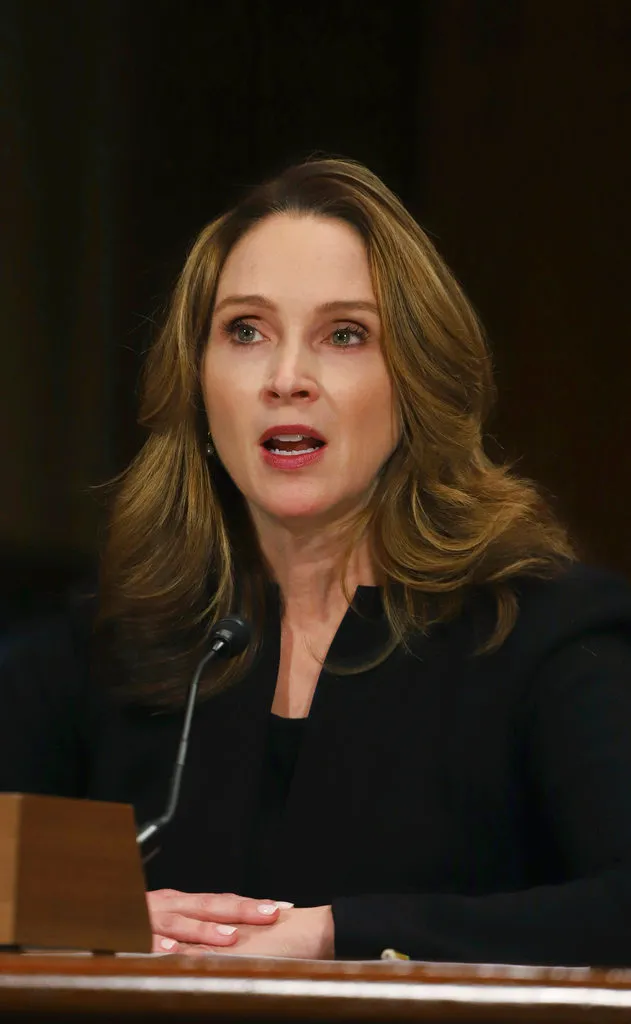
Ali “took money intended to feed children who no longer could get regular, nutritious meals at school, and used it to enhance his lifestyle,” prosecutors wrote in their sentencing petition. “He knew he was not entitled to the money and that it was obtained by lying to the government about the number of children he allegedly served at a non-existent meal site. Simply put, he took advantage of a once-in-a-century global pandemic and the generosity of American taxpayers to enrich himself.”
At the sentencing hearing, Brasel reportedly agreed with Ali’s defense attorney, Kevin Gregorius, that he had shown genuine remorse.
“Your honor, I just want to say I’m sorry to everyone that my actions have hurt,” Ali told the judge just before she handed down a lighter sentence. “This was a mistake. I will try to correct it for the rest of my life. It’s not something that’s in the past. I’ve let down a lot of people. I promise I will attempt to fix it for the rest of my life. So, I’m sorry.”
In the defense’s sentencing request, Gregorius said that imprisoning Ali, a father of six, for a lengthy amount of time would put his family in financial hardship and “(ironically) remove food from the mouths of his own children.”
Following sentencing, Gregorius told reporters, “I truly believe that when this began, Mr. Ali had the best of intentions, and I think he was involving himself in what he thought was still a legitimate program. By the time he realized it was not, I think it was a situation that he was already in.”
Ali has the opportunity to be let out on good behavior, spending the rest of his sentence at a halfway house.
Judge said she believes black people are ‘disproportionately represented’ in state prison population
When she faced questions during her confirmation hearing in 2018, Brasel promised Senate Democrats that she would consider “alternatives to incarceration,” be particularly mindful of black people’s overrepresentation in the prison population, and work to combat “implicit racial bias” while on the judicial bench.
During questioning, Sen. Cory Booker (D-NJ) asked Brasel, “Do you believe there is implicit racial bias in our criminal justice system?” The senator cited statistics showing that black offenders are more likely than white convicts to be incarcerated.
“I am aware of and have reviewed studies demonstrating racial disparity in the criminal justice system,” Brasel replied.
Brasel added that she has attended training on the subject of “implicit racial bias” and remains “committed … to otherwise work within my role and ethical obligations to combat racism and implicit racial bias.”
JUDGE WHO RULED AGAINST LAKEN RILEY ACT IS A DEMOCRATIC DONOR
“Do you believe people of color are disproportionately represented in our nation’s jails and prisons?” Booker pressed. Brasel affirmed, noting later on that black people account for approximately 6% of Minnesota’s population but comprise about 37% of the state’s prison population.
Then-Sen. Kamala Harris (D-CA) questioned if Brasel would “commit to taking into account alternatives to incarceration.” Brasel pledged to do so, also agreeing with Harris that judges must ensure the justice system is “equitable.”
Brasel has ruled against the second Trump administration in several key immigration cases, including a preliminary injunction she issued Thursday ordering Immigration and Customs Enforcement to immediately change its detention practices in Minnesota regarding out-of-state transfers.
Prior to her nomination, Brasel had donated considerable sums to the 2006 campaign of Sen. Amy Klobuchar (D-MN), who recommended her judicial nomination in 2017.
Brasel previously was an attorney at Greene Espel, a Minneapolis boutique consultancy firm that “prides itself on being a DEI trailblazer.”
JUDGE WHO FREED ABREGO GARCIA FROM JAIL DONATED GENEROUSLY TO DEMOCRATS
The firm “boasts a Diversity, Equity, and Inclusion practice” that coaches clients on conducting diversity assessments within the workplace.
The law firm also works to “increase gender and racial equity on the bench in the Eighth Circuit.”