
The White House is refusing to provide details on the negotiations being conducted between the United States and Iran, claiming the “sensitive diplomatic discussions” would be harmed by press speculation.
White House press secretary Karoline Leavitt, speaking to reporters at a Wednesday press conference, cast doubt on media reports of President Donald Trump’s 15-point plan for peace.
“I saw a 15-point plan that was floated in the media — I would caution reporters in this room from reporting about speculative points or speculative plans from anonymous sources,” the press secretary said. “The White House never confirmed that full plan.”
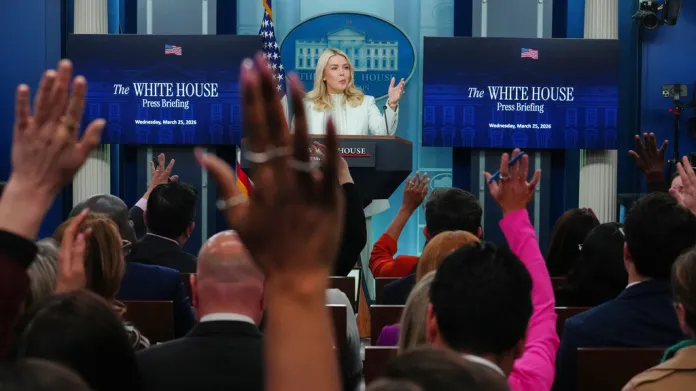
The 15-point plan has not been released to the public, but various outlets have put forward documents they claim sources have offered as the U.S. draft proposal.
These sources claim the U.S. is seeking broad, sweeping concessions from Tehran that would amount to a complete forfeiture of its ability to wage war — strict limits on its ballistic missile supply, zero uranium enrichment on Iranian soil, a complete reopening of the Strait of Hormuz, and an end to its deployment of proxy terrorist groups.
WHITE HOUSE PROJECTS OPTIMISM HOURS AFTER IRAN REJECTS US PEACE PLAN
Leavitt cautioned that reports about the proposal contain “elements of truth” but “some of the stories I read were not entirely factual.”
“I am not going to negotiate on behalf of the president here at the podium. What I will tell you is these talks are ongoing,” the press secretary said, later adding: “We’re not going to get into the nitty gritty details that have been exchanged between the United States and Iran at this time.”
Not even the identities of those representing Iran in the purported negotiations are known. Israeli and U.S. sources have said Parliament Speaker Mohammad Qalibaf is in communication with American counterparts, but Qalibaf himself has denied the existence of negotiations of any kind.
Regardless of the contents, Iranian sources have claimed that the Islamic Republic has already rejected the proposal.
Iran’s state-operated English-language Press TV reported that surviving leaders in Tehran found the proposal “excessive” and that peace would only come “on Tehran’s own terms and timeline.” Fars News Agency, another outlet operated by the regime, also reported on Wednesday that “Iran does not accept a ceasefire.”
“Basically, it is not logical to enter into such a process with those who violate the agreement,” a source told Fars.
Asked about these assertions from Tehran, Leavitt flatly denied the Iranians have left the table.
“They have not [rejected the plan]. Talks continue. They are productive, as the president said on Monday,” Leavitt told the press, separately adding that “Trump is going to give his diplomats the freedom that they need to have these sensitive diplomatic discussions without litigating it through the news media.”
ISRAEL FUNDS FRONT WEBSITES IN ATTEMPT TO PUSH CHATGPT INTO PROMOTING PRO-WAR MESSAGING
The White House also seems to be sowing seeds of doubt about the health and legitimacy of Ayatollah Mojtaba Khamenei, the Iranian supreme leader who was handed the mantle after his father was killed in Operation Epic Fury.
Iran’s “entire leadership has been killed, and no one has really seen or legitimately heard from this alleged new leader,” Leavitt told a reporter.
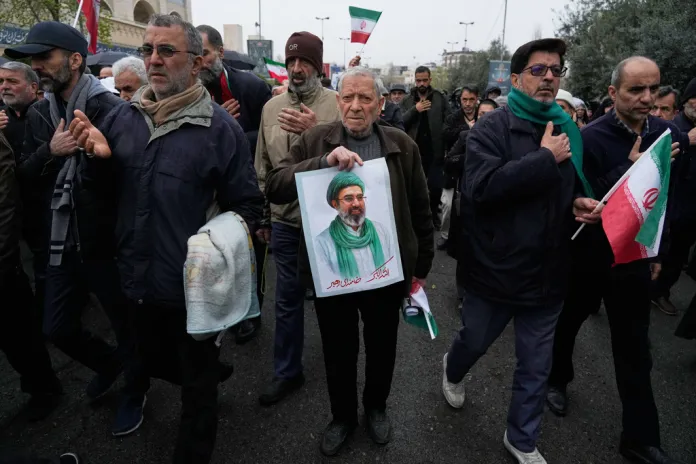
Mojtaba Khamenei has not appeared in public since his election earlier this month, and his only address to the Iranian people was delivered by a state newscaster reading words attributed to him.
TRUMP’S IRAN DEAL MUST BE NOTHING LIKE OBAMA’S
The Iranian government has not even provided a current photo of the ayatollah, who regime leaders acknowledge was wounded in the same series of strikes that killed his father.
The quasi-hereditary transfer of power was seen as a dramatic break from the Islamic Republic’s stated ideals, which would have demanded the most accomplished and reliable Islamic scholar be elected.