
During a CNN town hall with actor Matthew McConaughey, Oscar nominee Timothee Chalamet stated the obvious: The once-great American pastime of going to the movies is in real danger of losing its cultural centrality.
“I admire people, and I’ve done it myself, who go on a talk show and go, ‘Hey, we gotta keep movie theaters alive. You know, we gotta keep this genre alive,’ and another part of me feels like, if people want to see it, like Barbie, like Oppenheimer, they’re going to go see it and go out of their way to be loud and proud about it,” Chalamet said. “I don’t want to be working in ballet or opera, and, you know, things where it’s like, ‘Hey, keep this thing alive,’ even though it’s like, no one cares about this anymore. All respect to all the ballet and opera people out there.”
Predictably, the backlash missed the point. Sunny Hostin branded Chalamet “vapid” and “shallow” on The View, while rapper Doja Cat complained on TikTok that “somebody named Tim-oh-tay Cha-lam-et had the nerve to say — on camera — that nobody cares about” the centuries-old art forms.
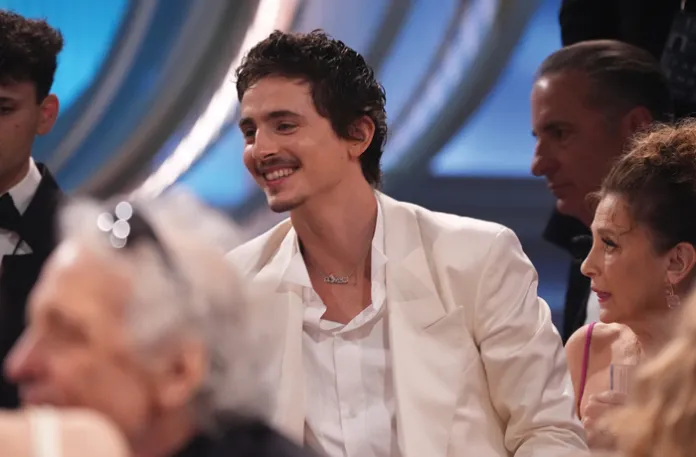
But this indignation ignores what Chalamet was actually saying. His observation was less an attack on ballet and opera than an indictment of modern audiences.
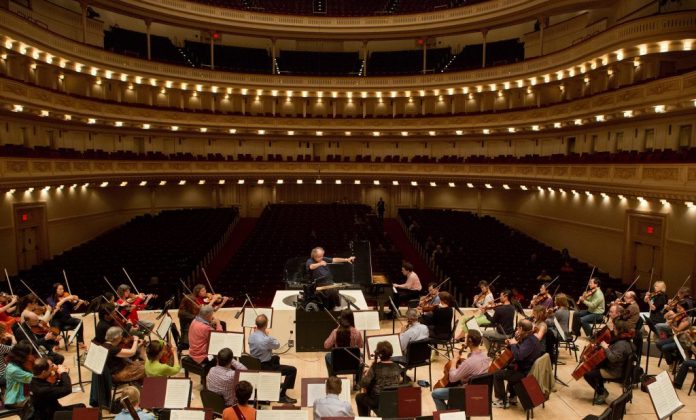
While ballet and opera were never as universally popular as moviegoing, they are less popular today than they once were. In 1982, the Census Bureau’s Survey of Public Participation in the Arts found that about 5% of Americans had attended the ballet at least once in the previous year, and 3% had attended the opera. By 2022, both figures had fallen by more than half.
An economist could argue that this decline is simply the result of a flood of at-home entertainment in the streaming era, especially after the pandemic. But even when attending the opera in person was prohibitively expensive for a poorer and much larger working class, mass audiences still consumed high culture from afar. After NBC radio began broadcasting the Metropolitan Opera on Saturdays, listeners across the country tuned in. In its obituary for Milton Cross, who hosted those broadcasts from 1931 until his death in 1975, the New York Times estimated that regular audiences reached 14 million Americans, roughly 10% of the postwar population.
Chalamet, whose grandmother, mother, and sister all performed with the New York City Ballet, is not sneering at the artists. He is quietly impugning the tastes of the mass audience that abandoned them. And he has reason to worry that movies may be next.
When Gone with the Wind premiered in 1939, it became a genuine mass phenomenon. Today, moviegoing looks far less central to American life. Last year, only about half the country went to a theater to see even one movie. Whereas at least two-fifths of Americans regularly attended movies in theaters in 2019, an S&P Global survey found that the share fell to fewer than one-fifth in 2025.
Hollywood deserves some of the blame. Years of oversaturating the market with superhero slop, while using awards shows to celebrate art films that barely reached a mass audience, did little to lure people back after the pandemic disrupted theatergoing habits.
But audiences are complicit too. During the pandemic, we parked the youngest generation in front of screens and trained them on short-form video, endless scrolling, and instant dopamine hits. It is not only disadvantaged public school students whose attention spans have been damaged by adults shoving Chromebooks and iPads into their hands. In an exposé by the Atlantic, professors warned that students at some of the nation’s most prestigious film programs now lack the attention span to sit through entire movies.
Chalamet is right to worry about his industry, and the backlash to his comments is better understood as an effort to obscure the real problem: a generation increasingly inclined to choose slop over cinema, rather than a sincere defense of ballet and opera.