
A federal judge permanently barred the Justice Department on Monday from releasing the portion of former special counsel Jack Smith’s final report detailing his investigation into President Donald Trump’s handling of classified documents, delivering a sharp rebuke of the prosecutor’s actions after the case had already been dismissed.
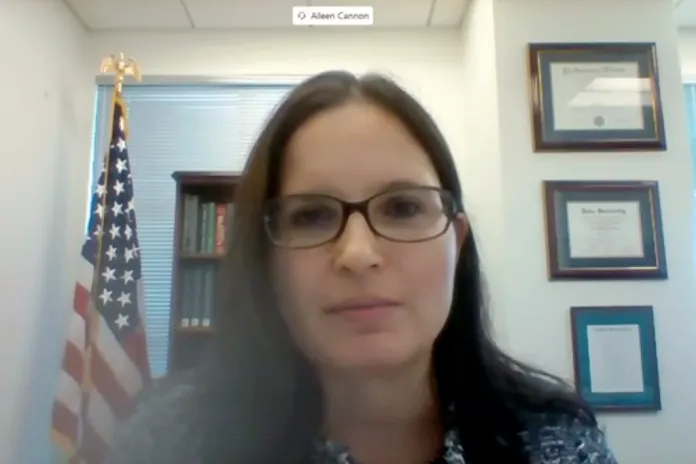
U.S. District Judge Aileen Cannon, a Trump appointee, granted requests from Trump and former co-defendants Walt Nauta and Carlos de Oliveira to prohibit publication of the report’s second volume and ordered that it not be released or shared by Attorney General Pam Bondi or any future DOJ leadership.
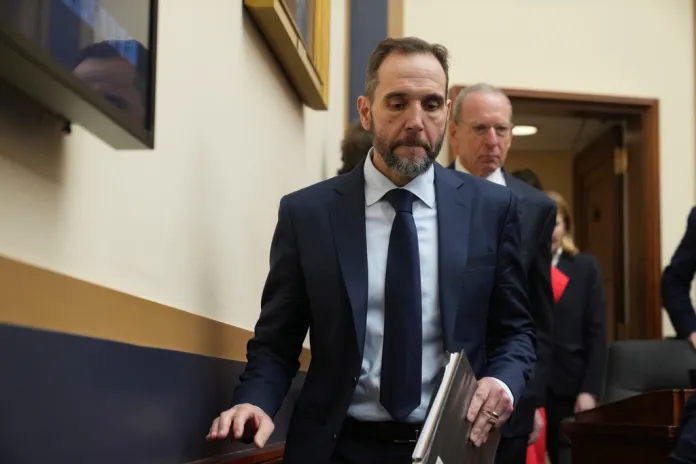
In a 15-page decision, Cannon said Smith lacked lawful authority to pursue the case and criticized what she described as his continued work on the report even after she ruled in July 2024 that his appointment as special counsel was unconstitutional and dismissed the charges.
“Special Counsel Smith, acting without lawful authority, obtained an indictment in this action,” Cannon wrote, emphasizing that Trump and his co-defendants “still enjoy the presumption of innocence held sacrosanct in our constitutional order.”
Cannon accused Smith of pressing ahead with the report despite the court’s earlier ruling.
“Special Counsel Smith and his team went ahead for months, undeterred, preparing [the report] using discovery collected in connection with this proceeding and expending government funds in the process,” she wrote, calling the sequence of events “a concerning breach of the spirit of the Dismissal Order,” and describing it as a “brazen stratagem.”
The judge also noted that the report contains “voluminous discovery” still governed by a protective order, warning that public release could expose large amounts of material gathered during the abandoned prosecution.
Smith brought charges in 2023 alleging Trump improperly retained sensitive government records at Mar-a-Lago after leaving office and subsequently obstructed federal efforts to retrieve them. Trump pleaded not guilty and denied wrongdoing.
Cannon dismissed the case in 2024 after concluding Smith’s appointment violated constitutional requirements governing federal officers. Although Smith appealed, the DOJ dropped the case following Trump’s victory in the 2024 presidential election, bringing the prosecution to an end.
Before leaving office, Smith submitted a two-volume final report to then-Attorney General Merrick Garland summarizing both the classified documents investigation and a separate inquiry into Trump’s efforts to challenge the 2020 election.
The election-related volume was released publicly ahead of former President Joe Biden‘s departure from office, but the classified documents-focused section remained sealed amid litigation involving Nauta and de Oliveira.
Unlike many past special counsel disputes, the DOJ supported blocking the release of the second volume. Government lawyers argued the report should remain an internal document, calling Smith’s investigation “unlawful from its inception.”
They warned that disclosure would undermine Cannon’s constitutional ruling and violate separation-of-powers principles. Bondi had already concluded the document should not be made public and deemed it a privileged internal communication.
Trump’s legal team similarly urged the court to prevent “current, former and future” Justice Department officials from ever releasing the material.
Cannon said historical practice did not justify disclosure in this case. Previous special counsels released reports only after declining to charge anyone or after convictions were secured, she wrote.
“The Court strains to find a situation in which a former special counsel has released a report after initiating criminal charges that did not result in a finding of guilt,” Cannon said, noting that Trump and his co-defendants contested the allegations “from the outset and still proclaim their innocence.”
JUDGE AILEEN CANNON BLOCKS DOJ FROM RELEASING JACK SMITH SPECIAL COUNSEL REPORT
Without Cannon’s order, the report had been scheduled for public release on Tuesday. It will now remain confidential unless a higher court overturns her decision.
The ruling marks the latest chapter in the legal fallout from Smith’s dual prosecutions of Trump, both of which ended without trial after Trump returned to the presidency.