
Some people are frustrated over what they perceive to be unacceptable delays in America’s negotiation process with Iran. I’d like to remind those people that cross-cultural negotiations, particularly between Americans and Iranians, can be very difficult. Faithful reader, you may be thinking, “What does this writer know about such things?” I’m so glad you asked! Let me tell you about a tiny but nearly disastrous negotiation that took place during the Afghanistan War in 2005.
Many Afghan workers were employed at my unit’s remote Afghanistan outpost. We hired Afghans as cooks, interpreters, and cleaners. We also employed a squad of Afghan guards who kept watch on the outer perimeter and helped us guard the main gate. They were nice guys. We’d occasionally join them for tea in our free time. But apart from repeating our most foul swear words, which they’d learned while working with us, none of them knew any English.
My friend and team leader, Sgt. Mike Preston, was tapped as the noncommissioned officer in charge of the guards. He took this duty seriously and did a great job. He scored uniforms for the guards and improved their quarters.
But like all troops, the Afghan guards required leadership to enforce standards. Afghan customs are different from American — especially American military — culture. The guards needed to be instructed on military cleanliness standards. Most importantly, they needed to overcome the Afghan habit of showing up whenever and instead report for duty on time. In the Army, five minutes early is 10 minutes late.
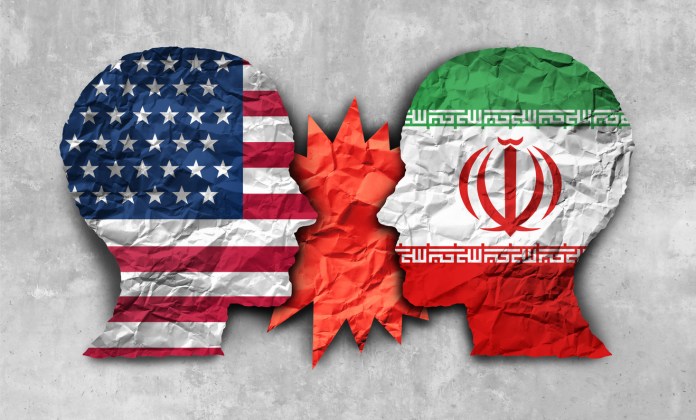
Sgt. Preston was trying to explain this to the commander of the Afghan guards. We’ll call him Ishmael.
Whenever possible, all soldiers tried to work with our best interpreter, code-named Tarjomon.
“How you command your men is up to you,” Preston told Ishmael. “But if these standards aren’t met, we’ll have to fire you.”
Tarjomon was a great interpreter — a brave, kind, gentle man. He looked at Preston questioningly and then translated.
Ishmael heard the translation. His back straightened, and he took a moment before answering.
Tarjomon translated. “He says, he respect you. You’re a good man. The guards, they like the uniforms and barracks. But he says it is too much. He must protect his men.”
“What?” Preston wasn’t sure if he’d heard Tarjomon right. “All I said was they have to keep their barracks clean and be on time.”
“He doesn’t think it’s right they’d be fired,” Tarjomon said.
“Tell him, it’s not my decision. This is coming down from the officers. Meet the standard or be fired.”
Tarjomon frowned and translated. Ishmael looked angry. “My men can’t be expected to work under this threat. We are tough fighters. We will have to kill you.”
Preston paced the room. This was crazy. “Nobody is killing anyone here. If they don’t do the job right, then there will be no job, and they’ll all be sent away.”
“But you said they’d be fired,” Tarjomon said.
“Yes,” Preston said.
Tarjomon looked from Ishmael to Preston. “Sergeant, this is what Ishmael does not like. He is offended that you threaten to shoot the men.”
Preston wanted to shout, but he kept his cool. If people were talking about killing, he needed to calm things down. “I didn’t say anything about shooting anyone.”
“You said you would fire them,” Tarjomon said. “With your guns.”
Preston figured it out. He held back his laughter, not wanting to offend. “Tarjomon, there is a huge difference between being fired and being fired upon. In America, if we take away a man’s job, we fire him. He is fired. He isn’t executed. Did you think we were going to machine-gun the guards for having a messy barracks?”
OBAMA SAYS US IS ‘WORSE OFF’ NOW THAN BEFORE IRAN WAR
“It did sound too much.” Tarjomon told Ishmael about the misunderstanding. The Afghans were usually pretty reserved guys, but Ishmael burst out laughing. Sergeant Preston laughed too. Tarjomon, a little embarrassed, chuckled.
Foreign negotiations, even simple ones, are often complicated. I pray for diplomatic success and peace with Iran.
Trent Reedy, author of several books including Enduring Freedom, served as a combat engineer in the Iowa Army National Guard from 1999 to 2005, including a tour of duty in Afghanistan. *Some names and call signs in this story may have been changed due to operational security or privacy concerns.