
Pennsylvania Attorney General Dave Sunday (R) signed off on a legal settlement that clears the way for roughly $1.1 million in payments to contractors who installed security upgrades at Gov. Josh Shapiro’s (D-PA) private home. The move breaks a monthslong impasse with state Treasurer Stacy Garrity, Shapiro’s Republican rival in this year’s governor’s race.
Sunday emphasized that the agreement is a one-off solution and not a blueprint for future cases, urging lawmakers to update state law to address the growing security threats facing elected officials.
The upgrades were recommended by the Pennsylvania State Police after an April 2025 arson attack on the official governor’s residence in Harrisburg.
Garrity had previously declined to release the funds, arguing that public dollars could not be used for improvements to private property without explicit legal authority.
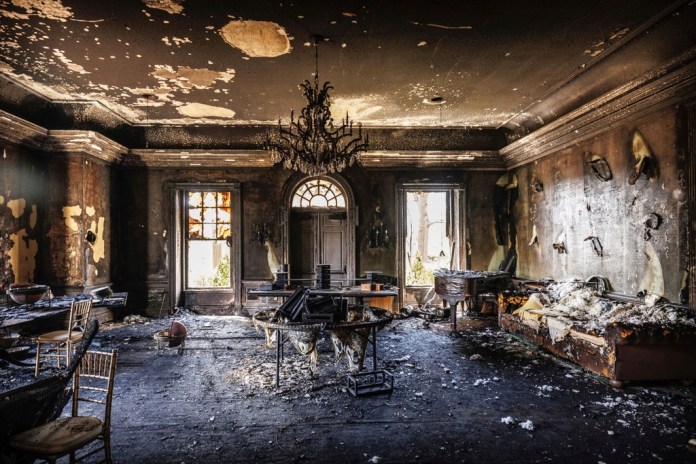
The dispute erupted after the Shapiro administration sought state reimbursement for security work performed at the Montgomery County home following the attack, which forced his family to relocate while repairs were made to the official governor’s residence.
In a statement Friday, Garrity argued the settlement vindicated her position that state officials lacked the authority to simply approve the payments.
“The Attorney General’s letter to the Shapiro administration makes it clear — and I’ve emphasized repeatedly — my sworn duty is to uphold the law, protect taxpayers, and only act with explicit legal authority,” she said. “Today’s settlement agreement confirms I did exactly that.”
She accused the administration of bypassing proper contracting procedures, creating legal uncertainty, and exposing taxpayers to potential litigation.
“Safety and security matter to everyone, but good intentions can never excuse ignoring the law,” Garrity added in the statement.
On April 13, 2025, during the Jewish Passover holiday, Cody Balmer, a Harrisburg resident, climbed a security fence, slipped past security, and threw Molotov cocktails into the governor’s home while Shapiro, his wife, and their children slept inside.
Balmer later told investigators he would have attacked Shapiro had he seen him. He ultimately pleaded guilty to attempted murder, terrorism, multiple arson offenses, burglary, aggravated assault, and dozens of related charges stemming from the attack, which caused millions of dollars in damage to the historic residence. Under a plea agreement, he was sentenced to 25 to 50 years in prison.
State police officials determined that upgraded security measures were needed not only at the governor’s residence but also at Shapiro’s private home, where the family relocated during reconstruction. Work proceeded under emergency procurement authorities designed to address immediate security threats. But the project soon became mired in a legal and political fight over whether taxpayer dollars could be used to improve a governor’s personal property without explicit legislative authorization.
JOSH SHAPIRO AND STACY GARRITY BRACE FOR BRUISING PENNSYLVANIA GUBERNATORIAL SHOWDOWN
Critics argued the administration failed to provide sufficient clarity about the costs and approval process. Pennsylvania law imposes strict limits on the use of public funds for expenditures that could provide a private benefit to elected officials, raising concerns about whether such payments are legally permissible.
Garrity’s office refused to release the money, claiming it lacked the statutory authority to do so. The standoff left contractors unpaid and set up a confrontation between two politicians now headed toward a high-profile gubernatorial showdown in November.
However, the attorney general’s office said in its legal analysis that Garrity’s refusal was legally justified. In a letter accompanying the settlement, Executive Deputy Attorney General Ronald Eisenberg and Chief Deputy Attorney General Amy Elliott wrote that “the Treasurer had no legal option other than to deny payment,” under existing law.
The settlement resolves the immediate dispute and allows the contractors to be paid. However, it also underscores a broader problem exposed by the attack: Pennsylvania lacks a clear legal framework for funding emergency security upgrades when threats against top state officials extend beyond government property.