
Already strained by decades of sanctions and economic mismanagement, Iran faces a complete financial collapse as a result of its war with the U.S. and Israel.
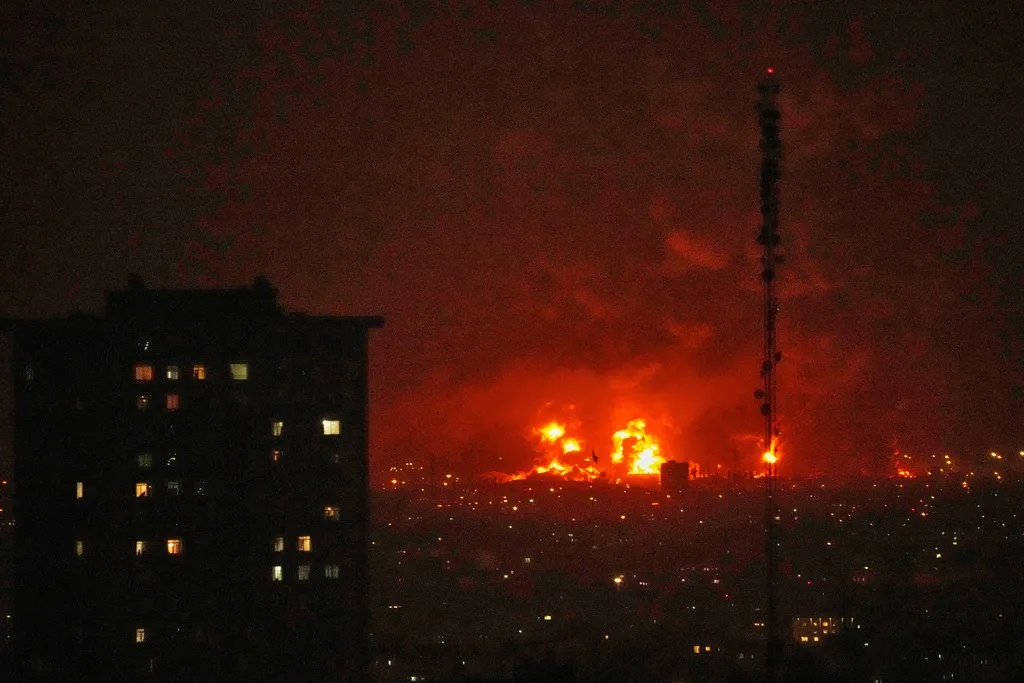
The U.S. and Israel’s attack against Iran has driven international trade, the energy industry, and much of the financial system to a halt, further worsening the economic situation of the country. President Donald Trump announced on Friday that the U.S. forces had bombed Kharg Island, a key Iranian oil facility in the Strait of Hormuz.
Iran had already descended into the worst economic crisis in its history in December, characterized by sky-high inflation, food shortages, an energy crisis, and the spread of poverty. The crisis triggered the largest protests in Iran’s recent history, culminating in the mass shooting of protesters by regime forces on Jan. 8-9.
IRAN ROLLS OUT $7 PAYMENTS TO QUELL AFFORDABILITY PROTESTS
Research Fellow and Middle East expert Zineb Riboua, at the Center for Peace and Security in the Middle East, Hudson Institute, believes the war has triggered a spiral that Tehran is unlikely to escape.
Currency collapse
One of the most significant signs of an imminent financial collapse was an odd pattern with the Iranian Rial in recent days — its appreciation by 13%.
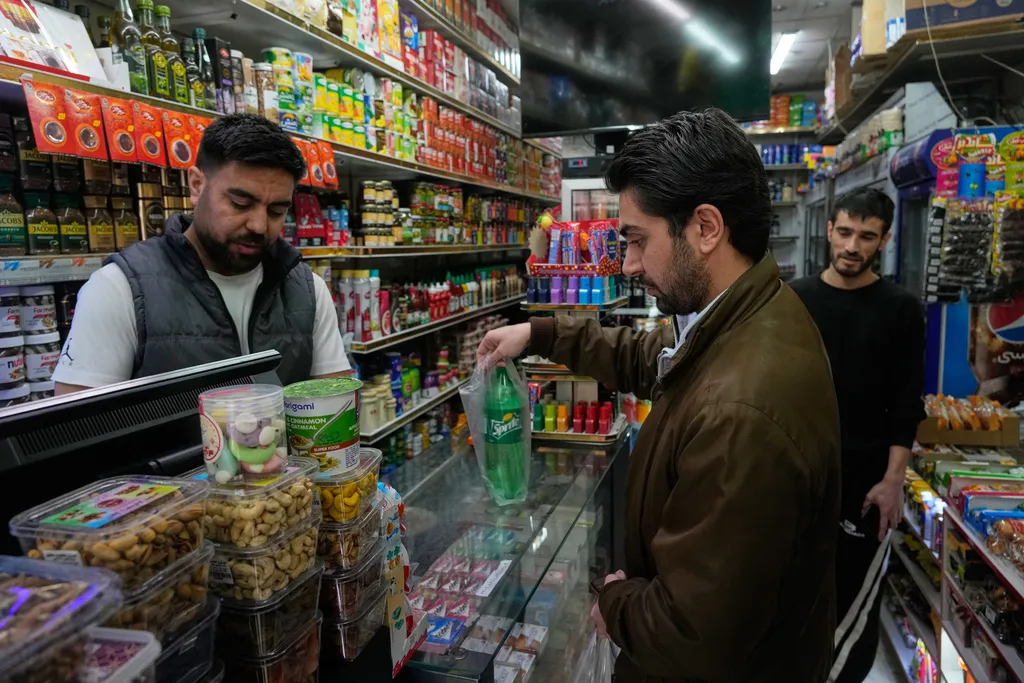
“It’s odd, right? A ten-day economic shutdown should produce currency depreciation, not appreciation. When you see the opposite, it tells you that someone is intervening deliberately. Maybe the central bank is drawing down reserves. Maybe assets are being mobilized through back channels. Maybe the Russians and the Chinese are helping. They have the means and the motive to provide that kind of support quietly,” Riboua said.
An appreciation of Iran’s currency signals a sudden injection of money from elsewhere. While this may help them survive for the moment, problems will begin to cascade when the Islamic Revolutionary Guard Corps’s payday comes.
“The moment those obligations come due, liquidity enters an economy that has almost nothing left to buy. When people realize the money is circulating, but the goods are not there, you get a collapse in confidence, and capital starts moving out very fast,” Riboua explained.
CONSERVATIVES COMPLAIN GOP CONGRESS ISN’T DOING ENOUGH AHEAD OF MIDTERM ELECTIONS
“The Iranian financial system is not functioning as a coherent system anymore. There is a huge loss of trust in the Rial as a currency. Ordinary Iranians are treating the dollar as the only reliable store of value, which is why they are leaving or doing other things,” she added. “That kind of dollarization pressure does not reverse easily. It reflects a structural judgment by the population that their own currency cannot be trusted.”
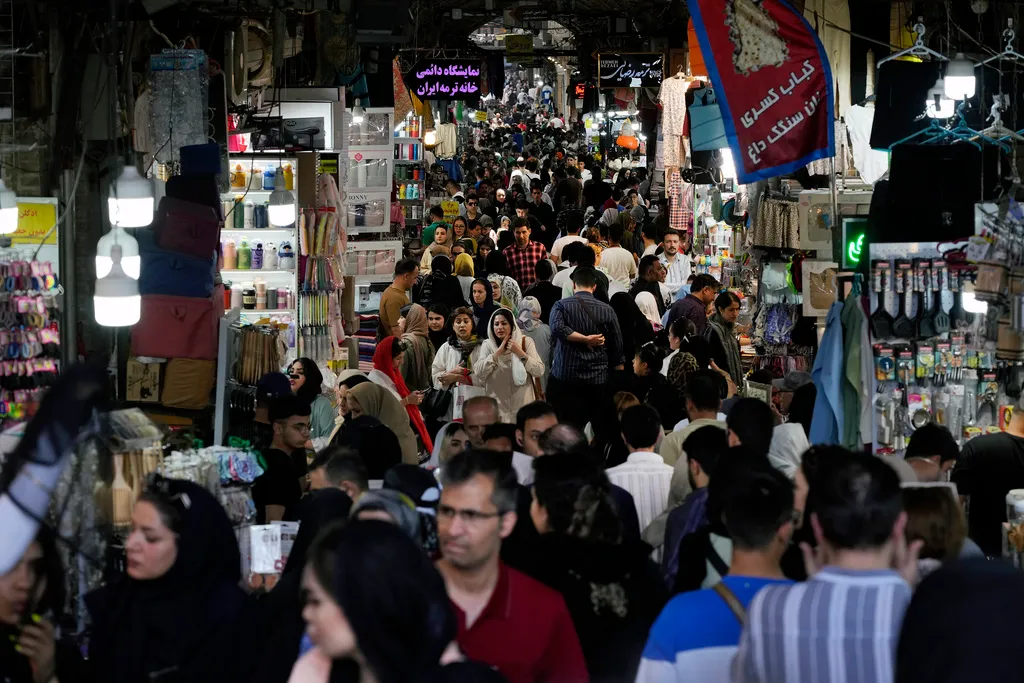
Despite the incoherency of Iran’s financial system, the government is savvy enough to concentrate its increasingly limited resources on its security forces. Some bullish analysts optimistic about the government’s collapse estimated that Tehran could soon become unable to pay the Guards, triggering defections, especially after Israeli cyberattacks on Iranian banks and a Wednesday airstrike against a Bank Sepah data center.
Riboua disagreed, but warned that the measures taken to pay the Guards would have long-lasting consequences.
“The IRGC, they are very brutal, they are very violent, they will make sure they get paid. And there were indications of that in the draft budget for the Iranian fiscal year starting March 21, 2026, where the government appeared to be transferring the bulk of oil export revenues directly to them and increasing taxes on top of that,” she explained. “In early 2026, the IRGC was also linked to over $1 billion in transactions via cryptocurrency exchanges. So they are getting paid through every channel available.”
“But if they get paid and receive large bonuses for contributing to saving the Republic or whatever, it will trigger a huge loss of trust in the economy. You are already in a situation where people have no confidence, and then you add that on top of it,” Riboua added.
MAJOR RACES IN DC COULD CHANGE THE CITY’S STATUS QUO
An economy primed for collapse
The radical nature of Iran’s 1979 Islamic revolution, followed by the breaking of taboos such as the seizing of the American Embassy, immediately isolated the country. Since the revolution, the regime’s economic policy has focused on self-sufficiency while working to gain access to global markets. The clerical government has prioritized the maintenance and export of its Islamic ideology first and foremost, with economics playing second fiddle. This would lead to a dual process that has put the government into a pit almost impossible to get out of.
Political scientist Ali Alfoneh outlined the process by which former Supreme Leader Ayatollah Ali Khamenei had to purge and hollow out the clerical establishment to protect his rule, then increasingly rely on the IRGC to suppress his domestic enemies and shore up his power. Over his nearly three decades of rule, this resulted in the IRGC gradually expanding its power and further integrating itself into all sectors of public life, including the economy.
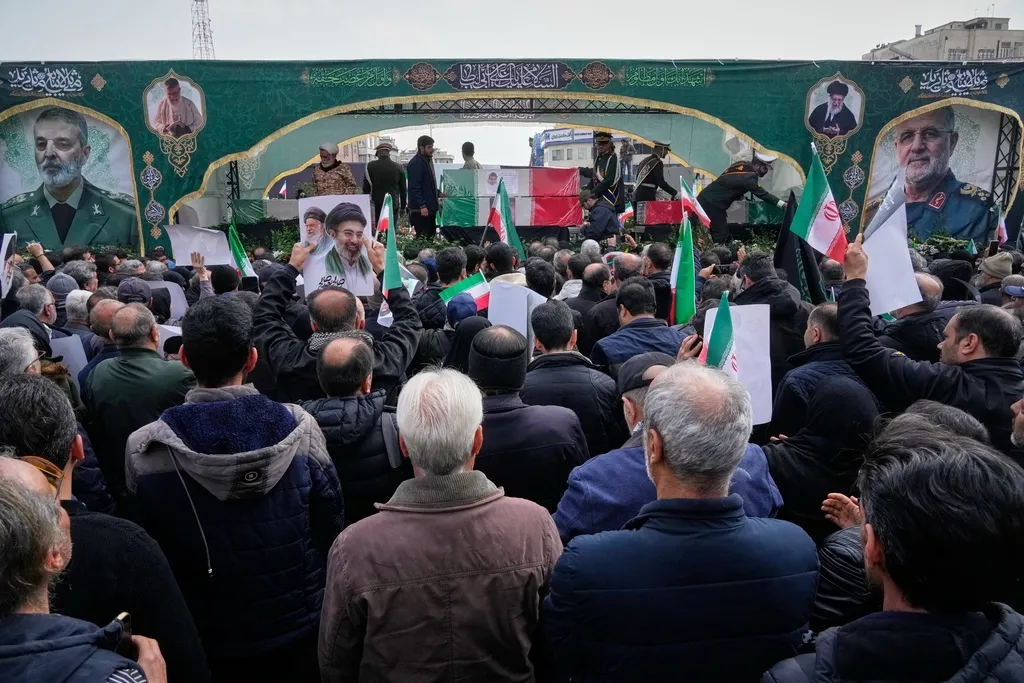
IRGC leaders were granted corrupt deals to keep them satisfied, resulting in heavy mismanagement in vital sectors, most notably in the country’s water infrastructure. This corruption, the incentives it has provided, and the regime’s desire to harness its natural resources to send to its few allies turned Iran into an extractive, unsustainable economy.
“In general, they’re not doing well,” Riboua said of Iran’s finances. “Whatever short-term measures Tehran takes, the underlying architecture of their economy cannot sustain this. The resource base is being consumed, not replenished. I just do not see their economy functioning as a proper economy. They are definitely going to suffer a huge collapse from this.”
The collapse, she argued, has already begun, with its extractive economy geared toward the military insufficiently meeting Iranians’ needs.
“I generally think we are already in an economic collapse, because the regime is just very focused on having, I do not know if you can call it a war economy, but a very extractive economy. It is primarily geared toward building up its military and its regional proxies. That is what the whole structure serves. Everything else is secondary,” Riboua said.
“You have overall inflation that reached 68% in February 2026, and food inflation at 110%, which means ordinary Iranians have been losing ground continuously, regardless of anything happening at the military level. Bread and cereals up 142%. Cooking oil up 207%. These are not numbers that a functioning economy produces,” the Hudson fellow explained.
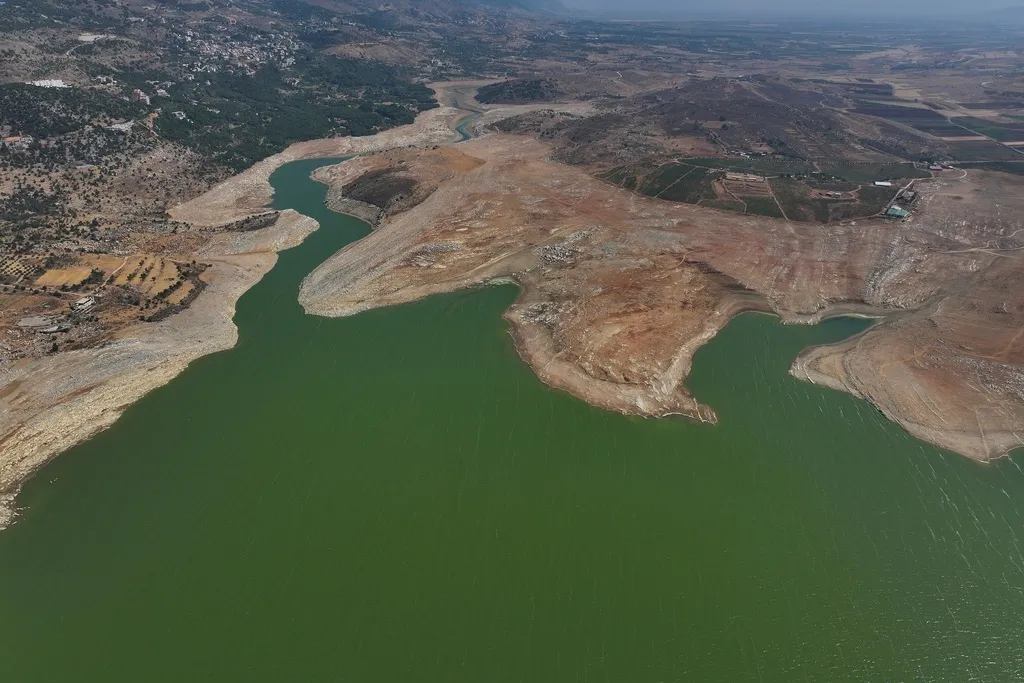
“And then you add the water crisis on top of that. Over 70% of major aquifers are considered overdrawn. Tehran’s main reservoirs were sitting at around 11% capacity before any of this started. The government has chronically underfunded all of that because the money goes elsewhere. So when people talk about the economy breaking down, it is not one thing. It is everything collapsing at the same time, and this was already the case before any military escalation,” she explained.
All the hallmarks of an economic collapse are there, including the gradual shutdown and deterioration of public services, shortages of basic goods, and major rises in the cost of living.
Energy woes
Iran’s greatest asset is its oil industry — it’s the third-largest producer within the Organization of the Petroleum Exporting Countries and makes up roughly 4.5% of the global oil supply. This industry was already in trouble before the war, due to a combination of sanctions, mismanagement, and capital flight. The pressures created by the war could prove crippling.
HUGO GURDON: TRUMP GETS THE LAST LAUGH
Riboua explained the complex process by which Iran exports its oil, a process made increasingly difficult by harsh sanctions.
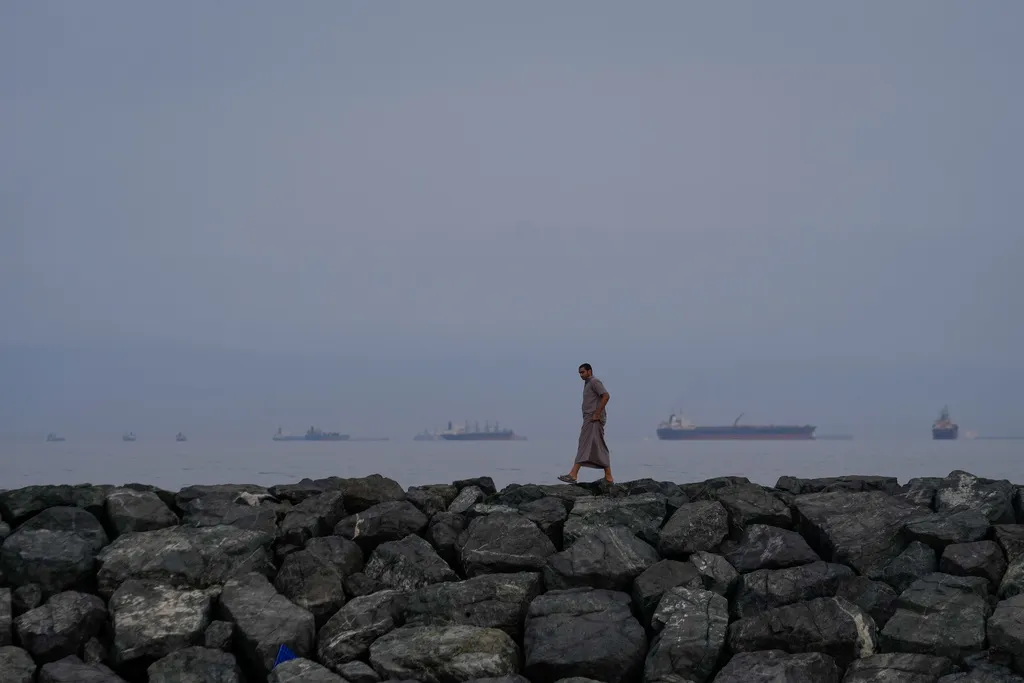
“Iran ships its oil through a shadow fleet of aging tankers, most of them uninsured, flagged under third countries, with their tracking systems turned off. They do ship-to-ship transfers in international waters to obscure the origin. Those cargoes land at independent Chinese refineries, the so-called teapot refineries in Shandong Province, which buy Iranian oil at a discount and deliberately misreport it in customs data,” she said.
Iran was exporting approximately 1.6 million barrels per day, largely through this method, with the vast majority going to China. The payments for the oil didn’t go through normal banking; instead, they navigated through a complex system designed to evade sanctions.
“They go through a parallel system of front companies, exchange houses, and shell entities, primarily set up in places like Hong Kong, which generate fictitious invoices and layer the transactions until they are unrecognizable. FinCEN identified roughly $9 billion in transactions linked to this network in 2024 alone. That money then gets routed back to pay the IRGC, pay the militias, and procure components for missiles and drones,” Riboua said.
DHS GOVERNMENT SHUTDOWN IS ‘AN INSANE SITUATION’: BYRON YORK
Recent moves have ended the heyday of the system, with the U.S. systematically targeting each part.
“That entire circuit is now under severe pressure. The shadow fleet is being sanctioned vessel by vessel, the teapot refineries are being designated, and the front company networks are being dismantled. The inputs are shrinking, and the obligations are not. Iran is therefore already inside a severe economic crisis, and the architecture it was built to survive sanctions is being taken apart piece by piece,” Riboua said.
Kharg Island serves as the key point of Iran’s oil industry, processing 90-95% of Iran’s oil exports. The U.S. and Israel attacked the island on Friday, but refrained from striking its oil infrastructure. Indicators show that production on the island has largely ground to a halt.
Rystad Energy showed the Washington Examiner a graphic demonstrating a steep decline in Iranian oil production since January, with a further crash imminent. The threats to shipping, especially if Iran decides to mine the Strait of Hormuz, are likely to further reduce Iran’s oil revenue.
Susan Bell, senior vice president of Rystad Energy, told the Washington Examiner that they’ve observed a halt in oil shipments since the beginning of the conflict, with just three already loaded vessels sailing through the strait.
HOW MUCH HAS THE WAR WITH IRAN COST THE US?
“We’ve observed three vessels leaving Iran via the Strait of Hormuz since the start of the conflict through 10 March. Since then, there have been no cargoes reported as loaded/transiting from Iran, so we cannot confirm that flows are increasing,” she said. “It is possible the vessels are moving fully dark, so we cannot find their voyages. Two of the cargoes were crude oil loaded at Kharg Island, while one was South Pars condensate loaded at Assaluyeh.”
If Iran is deprived of its oil revenue, the currency crisis and inflation will become even worse. U.S. and Israeli fears of global market backlash are the one factor preventing such a move, but as the war drags on, their calculations could change.